What Is the Appropriate Size for a One-Way Clutch, Housing, and Shaft? Understanding How to Determine Size from the Design Process
When selecting a one-way clutch, have you ever had the following questions?
・What size range is generally used for one-way clutches?
・I don’t understand the relationship with shaft diameter and housing size
・I know the required torque, but I can’t determine the appropriate clutch size
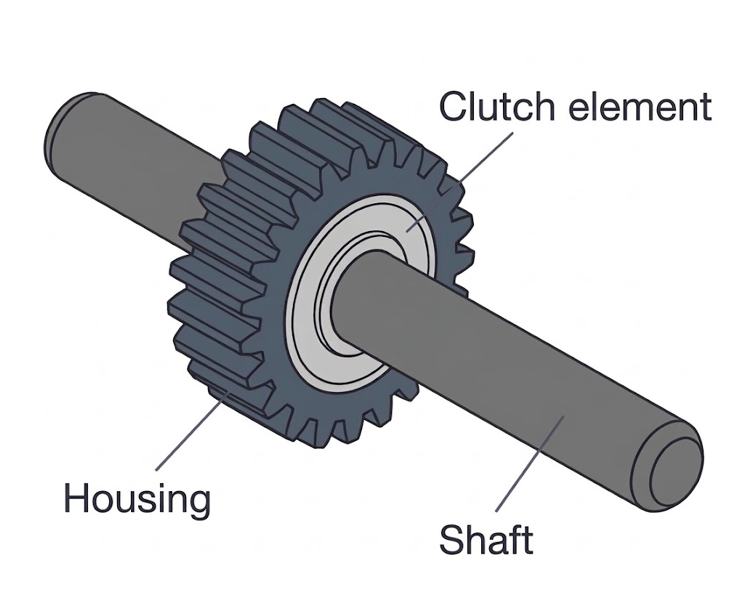
The size of a one-way clutch is not determined by the clutch alone,
but rather by the design conditions of the equipment (such as shaft diameter, installation space, and required torque).
In this article, we explain:
・The general sizes of one-way clutches commonly used in small devices
・How the size of a one-way clutch is determined
General Sizes of One-Way Clutches
While the size range of one-way clutches varies significantly depending on the application and required torque, they generally fall within a specific size range when used in small devices such as office automation equipment and cash handling machines.
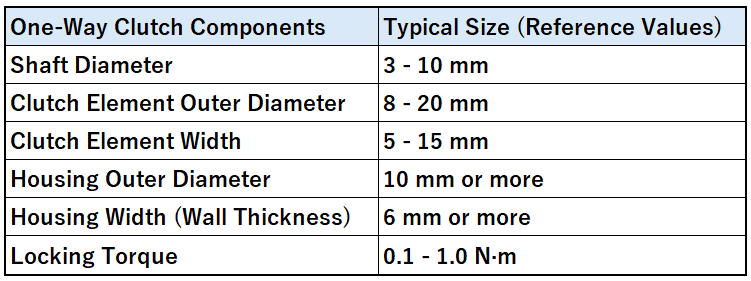
The following are typical size guidelines for one-way clutch components used in small devices, which are the primary products handled by TOK.
Generally, as the shaft diameter increases, the required transmission torque also increases, so the outer diameter of the one-way clutch and the housing size increase proportionally.
How the Size of a One-Way Clutch Is Determined (TOK Case)
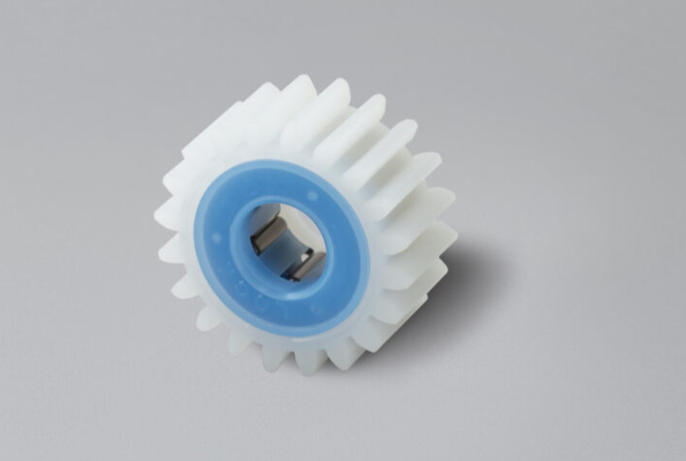
In actual design, it is common for the design parameters—such as shaft diameter and housing outer diameter—to be predetermined due to equipment structure and installation space constraints.
At TOK, based on these design parameters provided by our customers,
we conduct design studies to meet any additional requirements and propose the optimal one-way clutch.
Once the size of the one-way clutch is determined, the next step is to consider the housing’s geometric design.
A key consideration at this stage is the minimum wall thickness of the housing.
There are various mounting methods for one-way clutches, including press-fit mounting and methods that use a locking mechanism to secure the clutch with a light press-fit. Generally, the required housing wall thickness varies depending on the mounting method selected.
For TOK’s one-way clutches, we have established recommended housing dimensions for each series to ensure stable performance regardless of the mounting method.
When using a standalone clutch product, we recommend that you base your housing design on the recommended dimensions for each product.
(Regarding housing mating design when using a standalone one-way clutch)
On the other hand, for integrated one-way clutches that include the housing and resin components, TOK handles the housing wall thickness and shape design and delivers the product fully assembled.
Summary of What Is the Appropriate Size for a One-Way Clutch, Housing, and Shaft? Understanding How to Determine Size from the Design Process
When selecting the size of a one-way clutch, it is important to clarify how it relates to the design specifications of the equipment.
TOK’s one-way clutches are designed based on a procedure that starts with the equipment’s design specifications. For applications in small devices such as office automation (OA) equipment and cash handling machines, they are engineered to optimize the balance between the required allowable locking torque and size. By avoiding excessive torque specifications, we achieve a compact configuration suitable for miniaturizing and lightening the entire device.
If you share your equipment’s design specifications with us, we will propose the optimal one-way clutch and housing configuration. Please feel free to contact us.